Calm Your Mind: Guided Meditation Audio for Anxiety
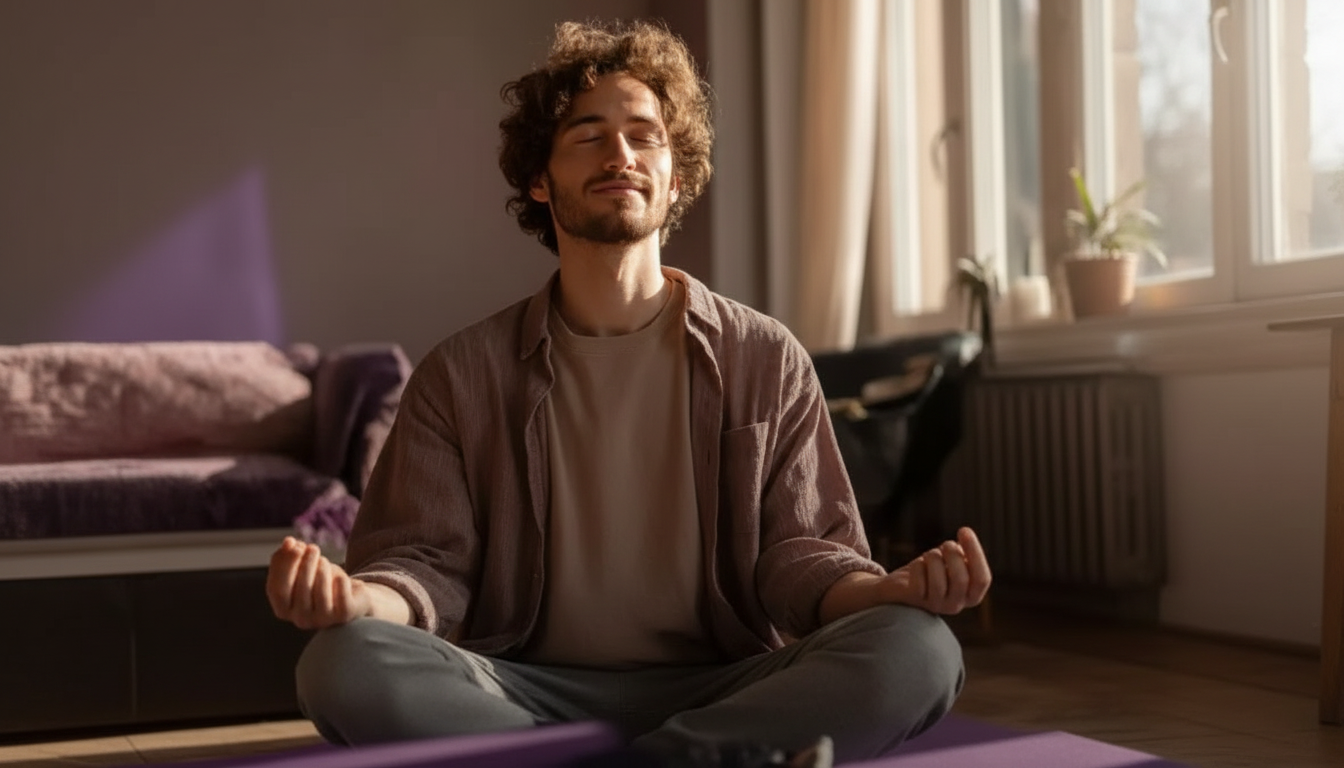
Calm Your Mind: Guided Meditation Audio Course for Anxiety Relief
Racing thoughts, tense shoulders, and a restless body can make it hard to feel steady. A structured guided meditation series provides step-by-step audio sessions that help shift attention away from worry loops and toward calming sensations, grounded breathing, and kinder self-talk—without needing prior meditation experience.
Unlike trying to “meditate perfectly” in silence, guided audio gives your mind something supportive to follow. Over time, that repeated experience can make calm feel more familiar and more accessible—especially during busy days, stressful transitions, or nighttime overthinking. For a research-backed overview of mindfulness and stress reduction, see the American Psychological Association’s guide to mindfulness meditation.
Who This Guided Meditation Series Fits Best
- People who feel stuck in worry cycles, overthinking, or mental “noise” that makes it hard to relax
- Beginners who want clear guidance instead of silent meditation that can feel intimidating at first
- Busy schedules that benefit from short, repeatable audio sessions (commute, lunch break, pre-sleep)
- Anyone looking for a supportive practice that complements therapy, coaching, journaling, or healthy routines
- Those who prefer listening over reading and want a simple play-and-press-start routine
If anxiety has been showing up as persistent worry, tension, irritability, or sleep disruption, it may also help to understand what generalized anxiety can look like over time. The National Institute of Mental Health overview of GAD is a clear starting point.
What’s Inside the Audio Course Experience
- Guided prompts that anchor attention in breath, body sensations, and present-moment awareness
- Calming pacing designed to reduce mental overactivity and encourage steadier breathing rhythms
- Sessions that can be repeated to build familiarity—often the fastest route to feeling safe and settled
- A supportive tone that helps replace self-criticism with gentle, realistic encouragement
- Practical focus: easing anxious activation, improving emotional regulation, and supporting better sleep routines
How Guided Sessions Support Calm
| Course element | What it helps with | When to use it |
|---|---|---|
| Breath-focused guidance | Lowering stress response and slowing racing thoughts | During acute stress or before a difficult task |
| Body scan relaxation | Releasing tension and improving body awareness | After work, post-workout, or before sleep |
| Grounding cues (sound, touch, posture) | Reducing spirals and returning to the present | When feeling overwhelmed or overstimulated |
| Compassionate self-talk prompts | Soothing self-judgment and emotional reactivity | After conflict, worry, or rumination |
For a balanced look at effectiveness and safety across different meditation styles, the NCCIH summary on meditation and mindfulness provides helpful context.
How to Use the Series for Better Results
- Pick a consistent time window (morning reset, midday pause, or nighttime wind-down) and keep it simple
- Start with shorter sessions and repeat the same track for several days to build familiarity and safety cues
- Use headphones if possible to reduce distractions and improve immersion
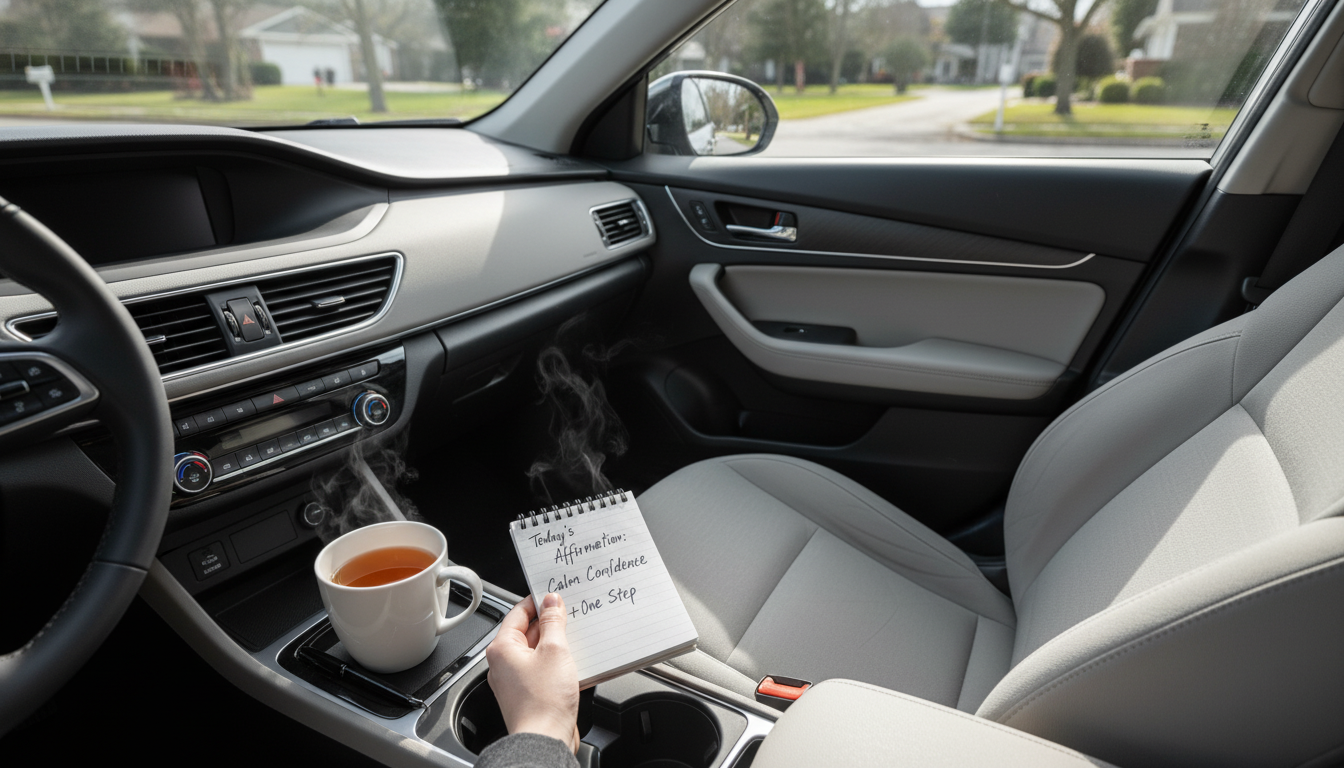
- Pair the session with a small habit: dim lights, sit in the same spot, or sip warm tea to create a calm association
- After each session, take 30 seconds to notice one change (slower breath, softer jaw, lower shoulders) to reinforce progress
A useful mindset shift: the goal isn’t to stop thoughts from appearing—it’s to practice returning without escalating. Each return is the skill. If you notice frustration, treat that moment as part of the practice and come back to the voice cue as gently as you can.
A Simple Routine for Anxiety Spikes (5–15 Minutes)
- Step 1: Name the moment—identify the feeling (anxious, tense, restless) without judging it
- Step 2: Press play—use a guided track rather than trying to “do it perfectly” in silence
- Step 3: Loosen the body—unclench jaw, drop shoulders, relax hands, and soften the belly
- Step 4: Breathe low and slow—aim for steady exhale emphasis to signal safety to the nervous system
- Step 5: Return gently—each time the mind wanders, come back to the voice cue without frustration
If your anxiety spike happens in public or at work, keep it discreet: feet flat on the floor, hands resting on your thighs, jaw relaxed, and a slightly longer exhale than inhale. The point is to downshift the body first—your mind often follows.
What to Expect Over the First Week
Recommended Picks (In Stock)
For a simple, repeatable audio routine, start here: Calm Your Mind: Guided Meditation Series | Audio Course | Anxiety Relief Meditation. It’s designed for guided listening—press play, follow the cues, and repeat sessions as needed.
To support steadier daily rhythms alongside meditation, consider adding one practical routine-builder: Healthy Meal Plan & Recipe Collection | One-Week or One-Month Healthy Meal Plan with Recipes for Breakfast, Lunch, Dinner & Snacks | Balanced Nutrition eBook.
If anxiety shows up most in family dynamics or tough conversations, a communication tool can help reduce friction and rumination afterward: Talk & Connect: Parent-Child Communication Workbook – Positive Parenting Guide for Stronger Family Bonds, Conversation Starters, and Emotional Connection.
Safety Notes and When to Get Extra Support
FAQ
How long should a guided meditation session be for anxiety relief?
Start with 5–10 minutes daily and focus on consistency. Repeating the same track for several days often builds a stronger calming association than jumping between longer sessions.
What if guided meditation makes the mind feel even busier at first?
That’s common—many people only notice how active the mind is once they slow down. Try shorter sessions, use grounding cues like feet on the floor or a hand on your belly, and return to the voice without judging yourself.
Can this audio course be used before sleep?
Yes. Keep the volume low, get comfortable, and choose breath-led or body-scan style sessions; drifting off is completely fine and often part of the benefit.









Leave a comment