5-Minute Audio Reset for Exhausted Parents: Calm & Energy

5-Minute Reset for Exhausted Parents: Calm, Clarity, and Energy When You’ve Got Nothing Left
When parenting stress spikes, even a small pause can change the next moment. A short, guided reset can help the body soften out of “alarm mode,” steady emotions, and bring back just enough energy to handle what’s next. That’s the idea behind the 5-Minute Reset for Exhausted Parents (3 in 1) | Audio Course | Mindfulness Breathing, Emotional Reset & Energy Boost: three quick tracks designed for real life—messy kitchens, car lines, work-from-home whiplash, and bedtime battles.
Why a 5-minute reset works when time is tight
Long routines can be great—when there’s time, quiet, and a cooperative nervous system. But parents often need something that works in the middle of the day, not just before sunrise. A 5-minute audio reset is short enough to do, even when you’re maxed out, and structured enough to follow without effort.
- Short, guided practices reduce decision fatigue: press play and follow along instead of figuring out what to do while overwhelmed.
- Breathing-based grounding supports a shift from reacting to responding: simple breath cues can help interrupt the stress response and create a little space before the next choice.
- A micro-break can interrupt stress spirals: a brief pause can “reset the loop” without needing a full meditation session.
- Useful during common pressure points: school mornings, transitions between meetings and parenting, sibling conflict, and bedtime resistance.
Stress has real effects on the body—heart rate, muscle tension, attention, and sleep can all take a hit. When the stress response stays activated, patience and problem-solving tend to drop. For a deeper overview of how stress shows up physically, the American Psychological Association explains stress effects on the body. Breath-based relaxation is also widely used to help calm the stress response; Harvard Health highlights how breath control can help settle stress.
What’s inside the 3-in-1 audio course
This audio course includes three distinct tracks so you can match the reset to the moment—calm, regulation, or a gentle boost. The audio format makes it easy to use eyes-free while holding a baby, wiping counters, folding laundry, or sitting in the car before pickup.
- Mindfulness breathing: guided cues to slow the breath and settle the nervous system.
- Emotional reset: quick steps to notice what you’re feeling, reduce overwhelm, and regain steadiness.
- Energy boost: a brief re-energizing track for the moments exhaustion hits hard.
Three tracks at a glance
| Track | Best for | When to use | What it helps with |
|---|---|---|---|
| Mindfulness Breathing | Racing thoughts, tension, irritability | Before responding to a trigger | Calm body signals, steady attention |
| Emotional Reset | Overwhelm, frustration, feeling on edge | After a tough moment (tantrum, conflict, messy house) | Emotional regulation and perspective |
| Energy Boost | Afternoon slump, low motivation, brain fog | Between tasks or before pickup/activities | Gentle activation and momentum |
Mindfulness and meditation approaches are generally considered safe for many people, but it’s still smart to use tools that feel supportive (not pressuring). The NCCIH overview on meditation and mindfulness offers a balanced look at effectiveness and safety considerations.
How to use it in real parenting moments
The most useful reset is the one that actually happens. These tracks are built for “in-between” time—when there’s no perfect quiet, just a brief window to regroup.
- Morning reset: play a track before the kids wake up, or right after the first conflict, so stress doesn’t set the tone for the entire day.
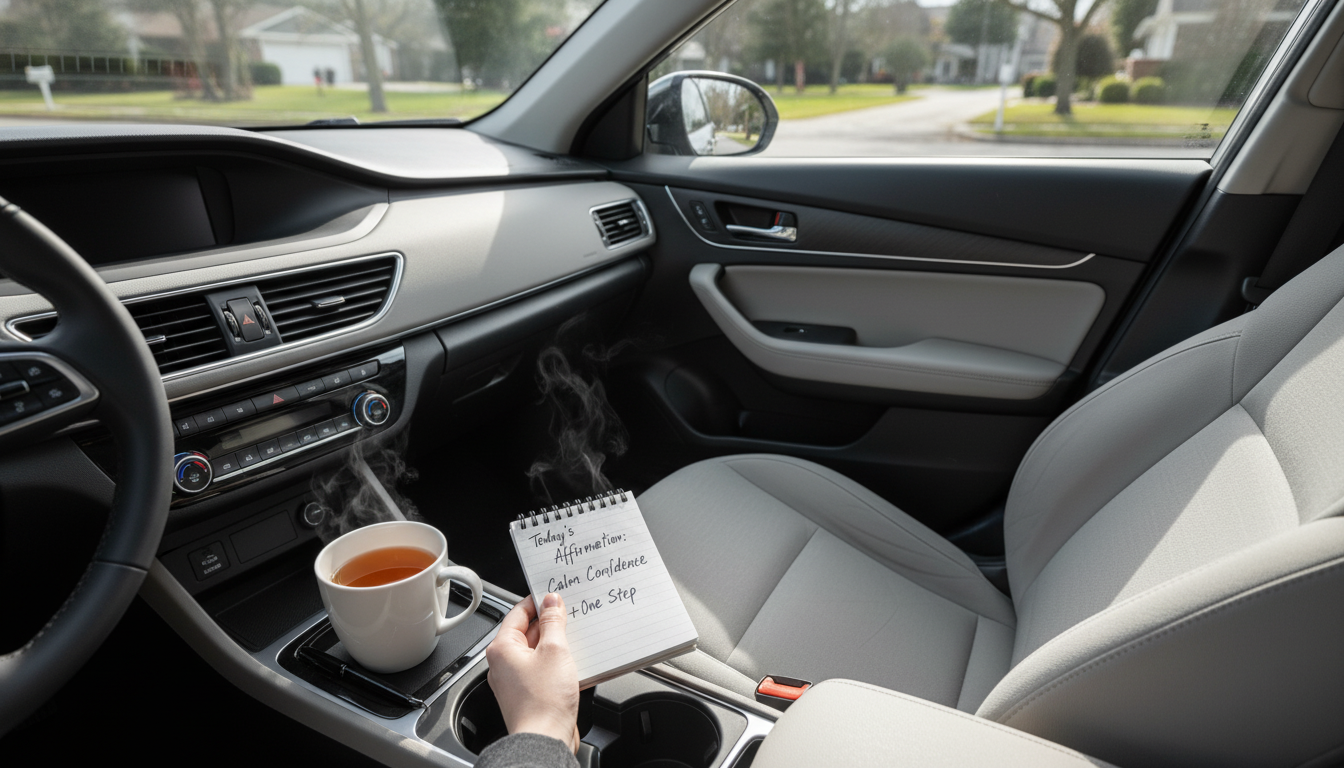
- Car line or parking lot pause: a private, practical place to reset before walking into the next responsibility.
- Bedtime decompression: use it after lights-out to release tension instead of defaulting to late-night scrolling.
- Conflict recovery: if you raised your voice, use a track to re-center, then reconnect faster with a calmer tone and clearer words.
A simple 5-minute setup for better results
Consistency beats intensity. A small routine that repeats easily is more likely to become automatic—especially on the hard days.
Who this is for (and who may want a different approach)
Pair it with small habits that make the reset last longer
If you want tools that support the “after the reset” part, pair the audio routine with the Talk & Connect: Parent-Child Communication Workbook – Positive Parenting Guide for Stronger Family Bonds, Conversation Starters, and Emotional Connection for calmer language in tense moments, and the Healthy Meal Plan & Recipe Collection to reduce decision fatigue around meals.
Product details and quick purchase info
- Product: 5-Minute Reset for Exhausted Parents (3 in 1) | Audio Course | Mindfulness Breathing, Emotional Reset & Energy Boost
- Price: $17.99 USD
- Availability: In stock
- Made for: quick use in everyday moments when patience and energy run low
FAQ
How often should a 5-minute reset be used?
Use it daily if possible, or as-needed during trigger moments. Repeating the same track for a week can make the routine more automatic and easier to access when you’re stressed.
Can this help during a meltdown or tantrum?
It’s designed as a parent self-regulation tool—use it before responding, or immediately after ensuring everyone is safe. Calming the parent first often leads to clearer, steadier choices in the moment.
Is this suitable for beginners with mindfulness or breathing exercises?
Yes—each track is guided and beginner-friendly. Starting with the Mindfulness Breathing track and aiming for a small shift (not perfection) tends to work best.











Leave a comment