5-Minute Reset for Mental Exhaustion (Simple Steps)

How to reset when mentally exhausted
Mental exhaustion can make even simple decisions feel heavy, and pushing through often backfires. A real reset doesn’t require a full day off—it requires a short, intentional break that signals safety to your nervous system and clears just enough space to think again.
A quick 5-minute reset you can do anywhere
1) Pause and name what’s happening (15 seconds). Silently label it: “I’m mentally overloaded.” Naming the state reduces its intensity and helps you switch from spiraling to noticing.
2) Change your input (60 seconds). Step away from screens, notifications, and conversations if possible. If you can’t leave, turn your body slightly, lower your gaze, and reduce sensory load.
3) Breathe for downshift (90 seconds). Try a simple pattern: inhale through your nose for 4, exhale for 6. Longer exhales cue your body to shift out of stress mode.
4) Release tension in one spot (60 seconds). Unclench your jaw, drop your shoulders, and relax your hands. Pick one area and fully soften it—this “one place” reset can ripple through your whole body.
5) Choose one next action (60 seconds). Ask: “What’s the smallest helpful next step?” Not the whole plan—just one move (drink water, answer one email, start laundry, write a two-line note).
When you need a guided reset
If your brain feels too tired to self-direct, guided audio can do the steering for you—especially for parents or anyone juggling constant demands. A short, structured listen can help settle your body first, then restore clarity.
For a simple, parent-friendly option, follow the step-by-step audio approach here: 5-minute audio reset for exhausted parents.
Small habits that prevent the crash later
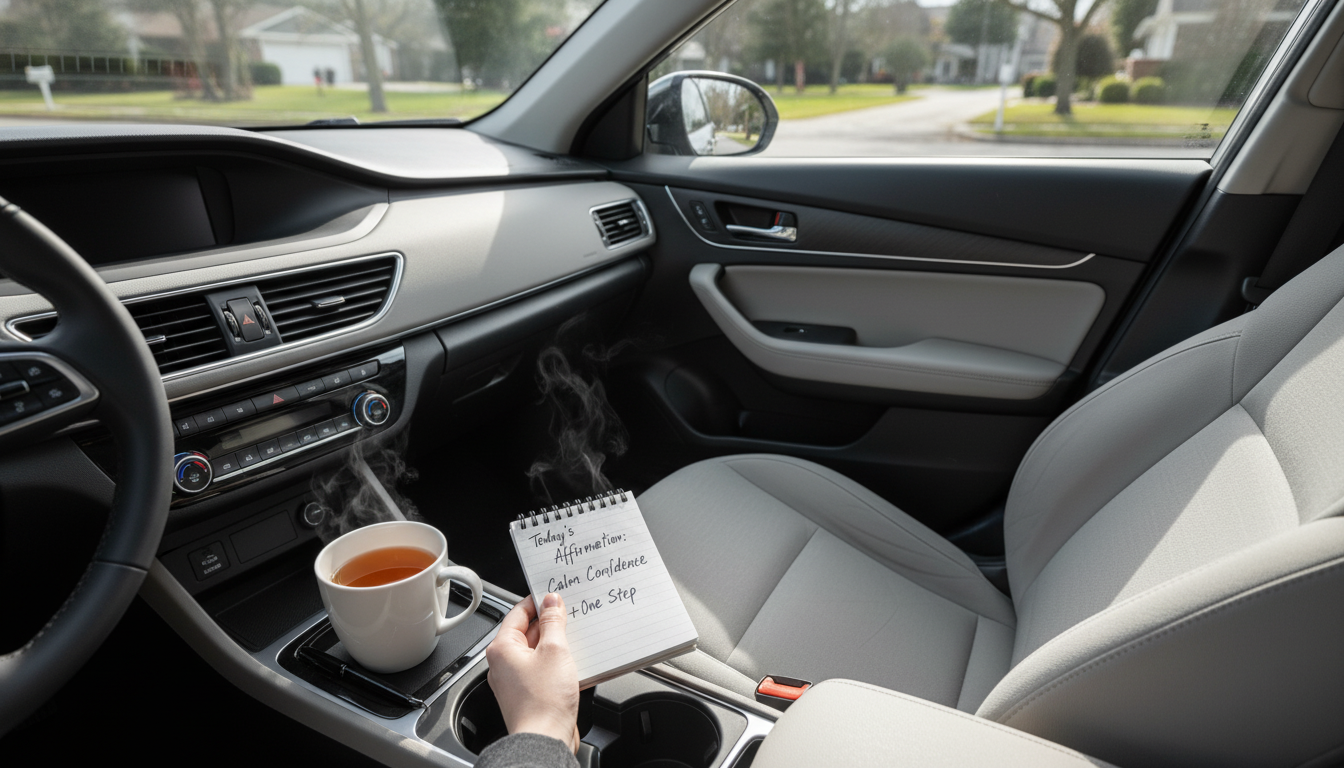
Build tiny “micro-resets” into the day: a 30-second stretch between tasks, a glass of water before coffee, or a 2-minute quiet sit in the car. Frequent small resets reduce the chance of a full mental shutdown.
FAQ
How do you stop brain fog fast?
Reduce stimulation for a minute, take a few slow exhales, and drink water. Then do one quick, concrete action (like writing a short to-do list) to re-anchor attention.











Leave a comment