Anxiety Relief Bundle: 4-Step Calm Routine You Can Follow

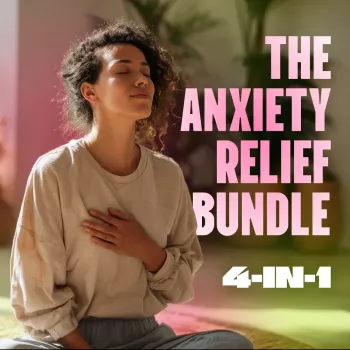
The Anxiety Relief Bundle: A Path to Calm — A Practical 4-in-1 Routine for Mindfulness and Positive Thinking
Anxiety often shows up as racing thoughts, tension, and a constant sense of urgency. The challenge isn’t only finding a technique that helps—it’s knowing what to do first, what to do next, and how to keep going when motivation dips. The Anxiety Relief Bundle: A Path to Calm is a 4-in-1 set designed to support calmer days through structured mindfulness exercises, positive thinking prompts, a printable checklist for consistency, and a course outline that turns small practices into a steady routine.
For a helpful overview of anxiety symptoms and when they may become a disorder, see the National Institute of Mental Health (NIMH) — Anxiety Disorders. For general guidance on anxiety and coping, the American Psychological Association (APA) — Anxiety is also a reliable starting point.
What’s Included in the 4-in-1 Bundle
- Mindfulness exercises to help interrupt spirals and bring attention back to the present moment.
- Positive thinking activities that reframe unhelpful thought patterns into more balanced perspectives.
- Printable checklist to track daily practice and reduce decision fatigue.
- Course outline that sequences the materials into a step-by-step path (helpful for building a habit instead of dabbling).
- Works well as a self-guided supplement alongside therapy, coaching, or other wellness routines (not a replacement for professional care).
Who This Bundle Can Help Most
- People who feel overwhelmed by too many techniques and want a single, organized structure.
- Beginners who want straightforward prompts rather than open-ended journaling.
- Anyone who benefits from checklists, printables, and clear next steps.
- Those looking for a calmer morning routine or a wind-down routine before sleep.
- Users who want practical tools for everyday anxiety (work stress, social stress, general worry).
A Simple Weekly Path to Calm (Using All 4 Parts Together)
The most effective routine is the one that actually happens on real days—busy days, tired days, and “my mind is loud” days. A practical approach is to start small, keep it predictable, and let the bundle guide the order of skills: stabilize attention first, then work with thought patterns, then build resilience and maintenance habits.
- Start with short mindfulness sessions (2–5 minutes) to establish consistency before increasing duration.
- Pair a mindfulness exercise with one positive thinking prompt to prevent returning to the same worry loop.
- Use the printable checklist to track completion and notice which practices reduce symptoms most reliably.
- Follow the course outline as a progression: attention first, then thoughts, then resilience and maintenance.
- Keep the plan flexible: if anxiety is high, prioritize grounding and breathing exercises over deeper reflection.
Example 7-Day Practice Plan
| Day | Mindfulness Focus | Positive Thinking Focus | Checklist Goal |
|---|---|---|---|
| Day 1 | 2-minute breath grounding | Name 1 worry, write 1 neutral alternative | Complete 1 practice |
| Day 2 | Body scan (3–5 minutes) | Catch-and-reframe one “always/never” thought | Complete 2 practices |
| Day 3 | 5 senses grounding | Gratitude with specificity (1 small win) | Practice at the same time |
| Day 4 | Mindful walking (5 minutes) | Evidence check: what supports/doesn’t support the worry? | Mark mood before/after |
| Day 5 | Label thoughts (not facts) | Replace self-criticism with a compassionate statement | Finish without perfection |
| Day 6 | Progressive muscle relaxation | Plan a coping statement for a known trigger | Prepare tomorrow’s materials |
| Day 7 | Choose your best-fit exercise | Review: 1 pattern noticed + 1 next step | Set next week’s realistic target |
How the Printable Checklist Supports Consistency
When anxiety is active, decision-making can feel heavier than it “should.” A checklist helps by pre-loading the plan so the day doesn’t start with negotiation or overthinking.
Using Positive Thinking Without Toxic Positivity
If mindfulness is new, the NCCIH — Mindfulness and Meditation for Health resource offers a grounded, research-informed look at what mindfulness is (and what it isn’t).
When to Seek Extra Support
Bundle Details and What to Expect
The Anxiety Relief Bundle: A Path to Calm | 4-in-1 Bundle | Mindfulness Exercises, Positive Thinking, Printable Checklist & Course Outline is delivered as digital, self-guided materials. Most people get the best results from repetition: short daily practice beats occasional long sessions because it trains the nervous system to recognize “calm cues” faster over time.
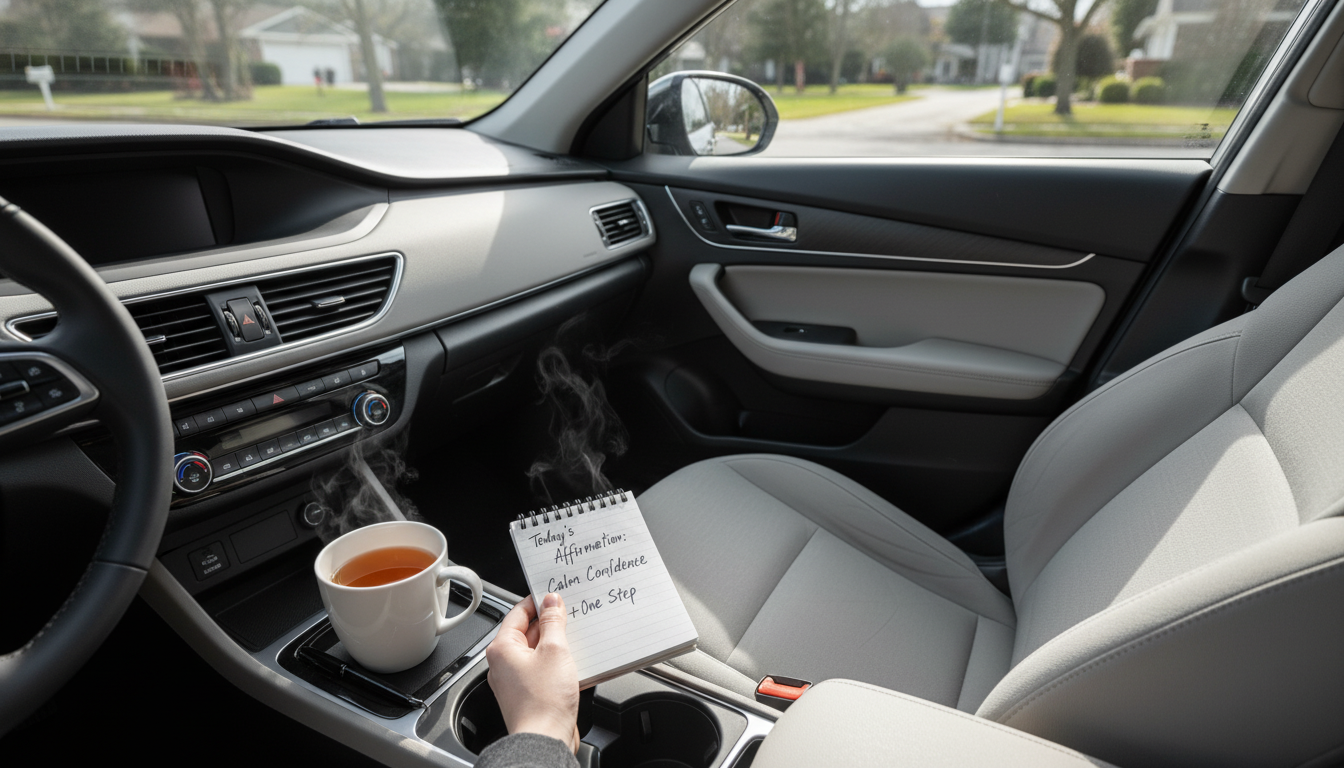
Helpful add-ons: a simple timer, a quiet corner (even a chair by a window works), and a low-friction way to jot down triggers and wins (notes app, index card, or a small notebook). For extra support around daily steadiness, pairing a simple nourishment routine can help many people feel more stable; consider Healthy Meal Plan & Recipe Collection | One-Week or One-Month Healthy Meal Plan with Recipes for Breakfast, Lunch, Dinner & Snacks | Balanced Nutrition eBook.
And if anxiety spikes around trips or transitions, simplifying logistics can reduce avoidable stress; Minimalist Travel Packing Planner | Digital Packing Guide for Light, Smart & Stress-Free Trips can help take packing decisions off your plate.
FAQ
How quickly can the exercises help with anxiety?
Some people feel calmer immediately after a short grounding exercise, especially breathing or senses-based practices. Longer-lasting change usually comes from consistent daily practice over weeks—start with 2–5 minutes and track how you feel before and after so you can see what reliably helps.
Is this bundle a replacement for therapy or medication?
No. It’s a self-guided support tool, not medical care, and it’s not meant to diagnose or treat conditions. It can complement professional support (including skills-based approaches like CBT and mindfulness-based strategies), and professional care is especially important for severe or persistent symptoms.
What if I miss days on the checklist?
Missing days is normal—restart without trying to “catch up,” and use a minimum baseline (even 2 minutes counts on hard days). If you keep missing, adjust the plan by identifying the barrier (time, triggers, unrealistic goals) and simplifying the next step.









Leave a comment